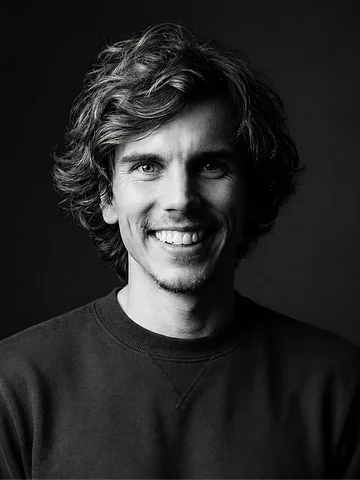
Tom Griger · UI/UX Designer

I turn complex product constraints into frictionless user journeys.

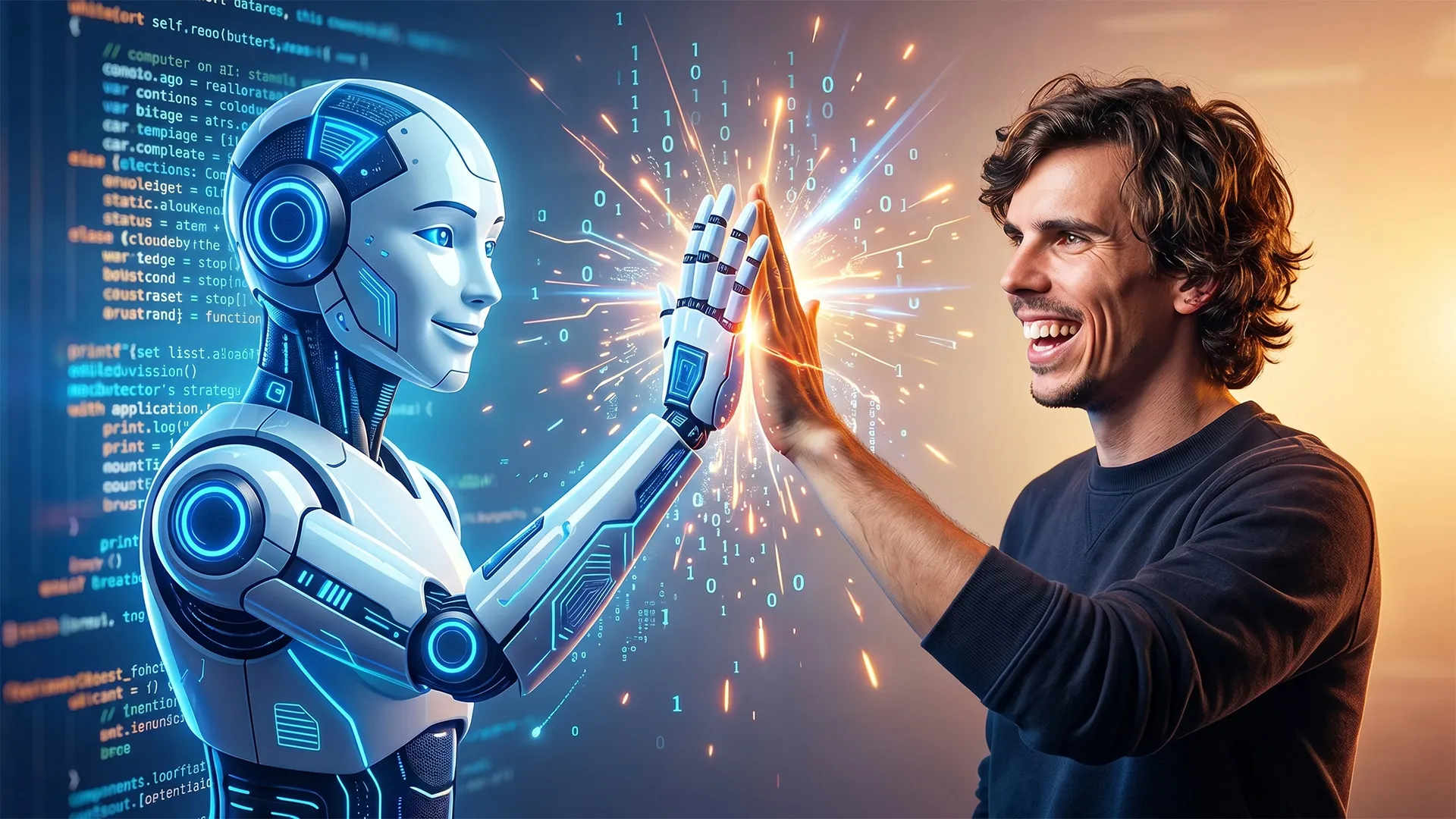
9 years in design — the last 3 on digital products across insurance, telemedicine, and DNA-testing. I use an AI-first workflow to move from strategy to working build, fast.

Bratislava, Slovakia · Open to remote
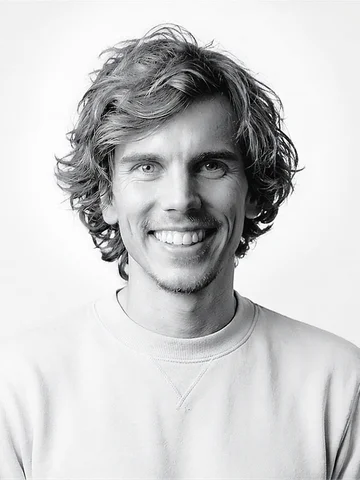
Tom Griger
Figma
Claude
Google Gemini
ChatGPT
VS Code
Photoshop
Adobe Illustrator
InDesign

What I bring

Five strengths, and the tools behind them.

  1. 01 Product thinking

    I turn a narrow brief into the product logic underneath it.

    When the ask is small, I look for the real problem and design the simplest thing that solves it — inside real business limits, not despite them.

    • Figma
    • Interaction design
    • Information architecture
    • Prototyping
  2. 02 Agentic AI workflow

    I direct AI agents to do the work — not just prompt a chatbot.

    Claude Code, Cowork, and Figma Make let me hand real execution to AI — prototyping, building, automating, mapping the hard journeys — while the structure, judgment, and taste stay mine.

    • Claude Code
    • Cowork
    • Figma Make
    • Claude / Gemini / ChatGPT
  3. 03 End-to-end delivery

    I take an idea all the way to a live, working build.

    I designed and directed this whole site to production — every component, state, and interaction. I don’t hand-author the code; I know how it should behave and direct AI to build it, then measure how it performs.

    • AI-directed front-end
    • Responsive
    • Light & dark theming
    • Clarity & Vercel
  4. 04 Craft & visual foundation

    Nine years of visual craft sit under every screen I make.

    Figma is my home — three years in it daily, now with Figma Make in the kit — built on a graphic-design foundation in type, layout, hierarchy, and brand. The polish shows.

    • Figma (3 yrs daily)
    • Figma Make
    • Photoshop
    • Illustrator
    • InDesign
  5. 05 Edge cases & accessibility

    I design for the messy real-world states most handoffs forget.

    Different devices, light and dark, accessibility, heavy localization — I sweat them. My work ran on a telemedicine platform serving 3.5M+ members across 19 countries and 25+ languages.

    • Accessibility
    • Localization-aware design
    • Responsive
    • Edge-case logic

Portfolio

Recent work

Three projects that show how I work through real business problems — including this site, a live product I designed and shipped myself.

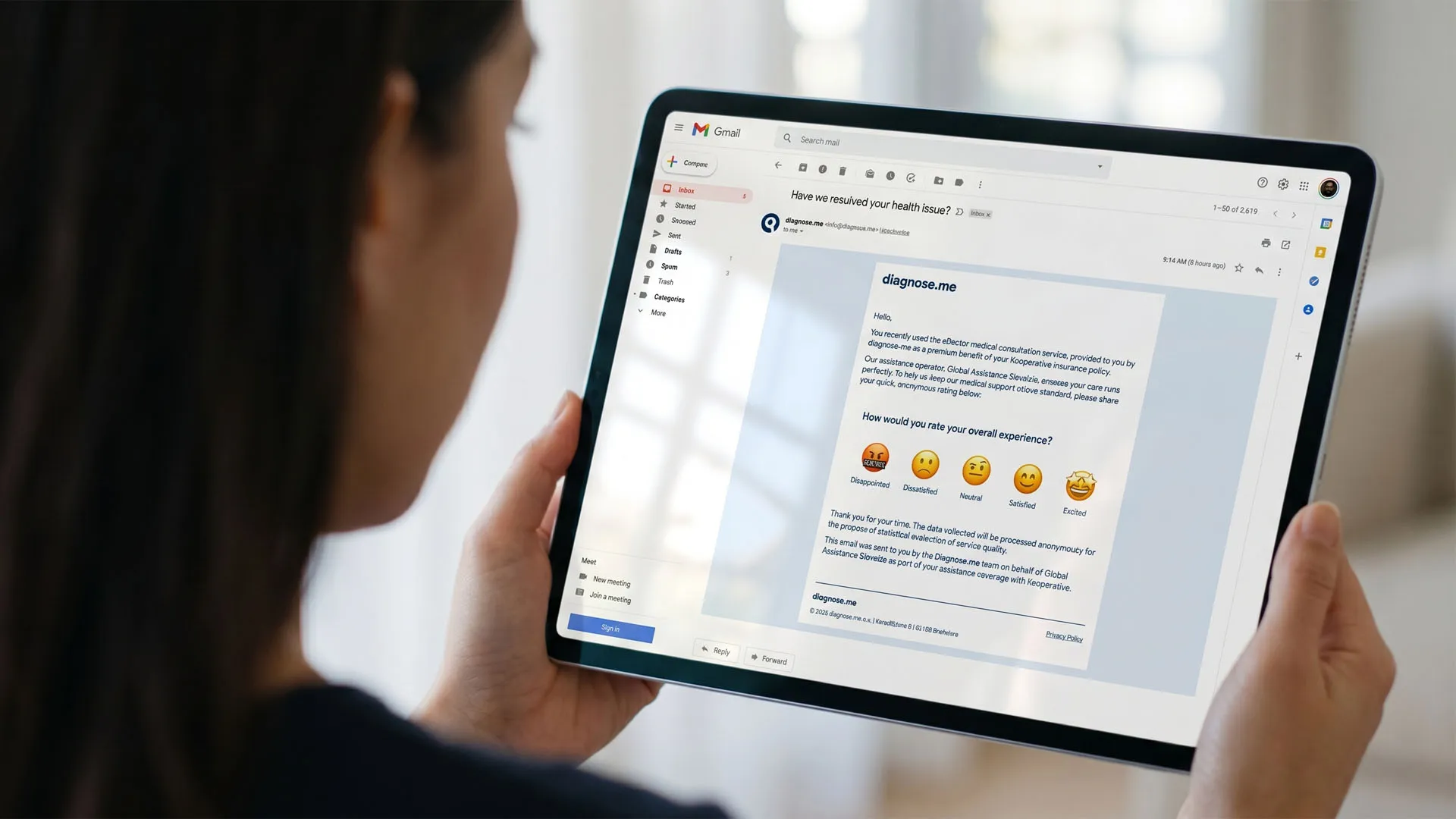
Friction to Feedback: Designing a B2B2C Reputation Engine

Handed a one-line brief, I redesigned a partner's outdated questionnaire into a 1-click email rating that routes happy users to public reviews and unhappy ones to private recovery. A proposal — and my deepest product-thinking piece.

View details
Three-frame view of the feedback engine: Diagnose.me email with 5-emoji satisfaction scale, Global Assistance positive questionnaire with tag pills, and exit screen with a Copy & Go to Google Reviews CTA

Designing in Code: How Claude Built My Portfolio

I'm a UI/UX designer, not a developer. So I directed AI through every component, animation, and interaction — shipping this multi-page portfolio as my own production product.

View details
Homepage of the live portfolio — hero section with portrait orbit composition and the headline 'I turn complex product constraints into frictionless user journeys', in dark mode

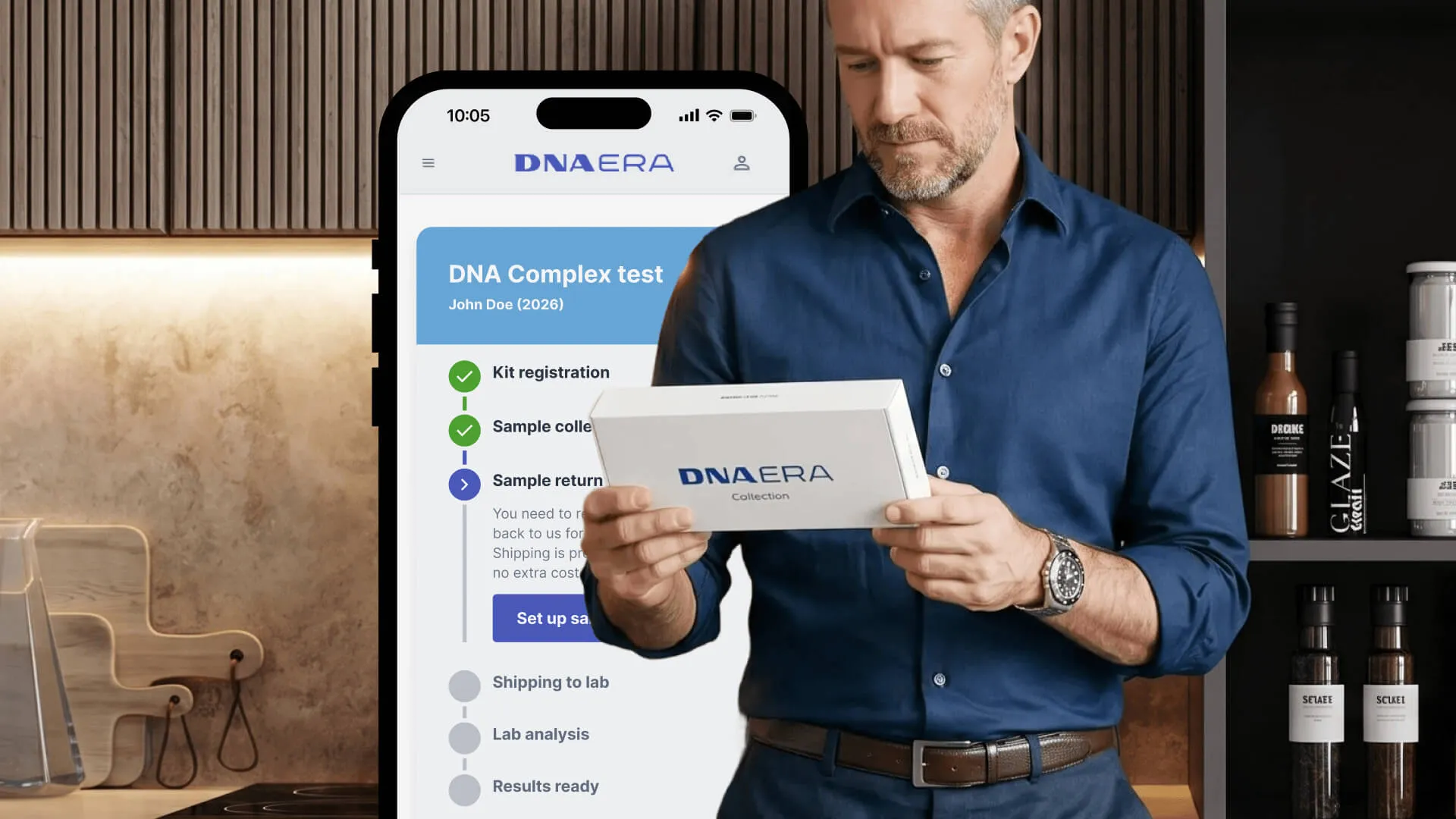
Balancing Business Margins and User Experience

A self-directed concept: turning a one-button margin fix into location-aware routing that balances cost, ethics, and UX at once — built from a real DNA ERA constraint.

View details
Man holding the DNA ERA collection box next to a phone showing the app's onboarding flow

My Journey

The Evolution of Experience

How elite sports, regional geography, and visual craft shaped my approach to UI/UX design.

The Endurance Era

Cultivating discipline and mental stamina through sports.

Long before I was mapping user experiences, my curiosity to explore the world around me took a physical form: cycling. Guided by my father’s early belief in my potential, a childhood hobby rapidly accelerated into elite competitive racing on the global stage, including the Junior World Cup and World Championships.

But high-intensity racing takes a toll. Moving into duathlons, running, and eventually recreational sports shifted my focus from raw results to the joy of the process. It taught me my very first UX lesson: the quality of the journey matters just as much as the destination.

The Geography Era

Mastering systems thinking and a human-centered lens through geography.

That innate curiosity eventually shifted from sports to academics. I’m naturally wired to understand not just how things work, but the deeper why behind them.

This drive led me to a Master's in Regional Geography, where I spent years analyzing how countries, cultures, and societies connect and function as a whole. Without realizing it at the time, I was already mastering the systems thinking and human-centered lens that define my approach to design today.

The Digital Design Era

Mastering visual craft, typography, and pixel-perfection from the ground up.

My transition into the digital world began through the lens of landscape photography, which naturally evolved into a five-year career as a graphic designer. Before I engineered complex user flows and onboarding architectures, I mastered the fundamentals of space, hierarchy, and visual communication through print, identity, and apparel design.

Over time, I realized I cared far more about the mechanics of an experience than just its surface aesthetics. Three years ago, I pivoted to UI/UX design. It is the exact sweet spot where my analytical geography roots and visual craft converge to solve complex problems with elegant clarity.

The Future Era

Designing tomorrow’s solutions with AI and intentionality.

I treat modern AI as a working partner, not a magic button. I use it to map journey edge cases early, generate starting points, sharpen copy, and handle mechanical execution — which frees my energy for the strategic goal and the user’s experience. The judgment, structure, and taste are still mine.

My unconventional path is my greatest asset. Sports taught me grit, geography taught me systems, and visual design taught me craft. I want to bring this holistic approach to a forward-thinking team, building intuitive products that feel less like a tool and more like a journey. Let’s build something special.

Like what you see?

Let’s connect.

I prefer email for initial chats. Copy my email address below, or find my phone number in my resume.

Resume